Introduction
World Ocean Day is a meaningful occasion that reminds us of the vital role oceans play in sustaining life on Earth. Oceans cover most of our planet and provide food, oxygen, livelihoods, and habitats for countless marine species. Celebrating this day in schools is an excellent way to help students understand the importance of oceans and encourage them to become responsible environmental citizens.
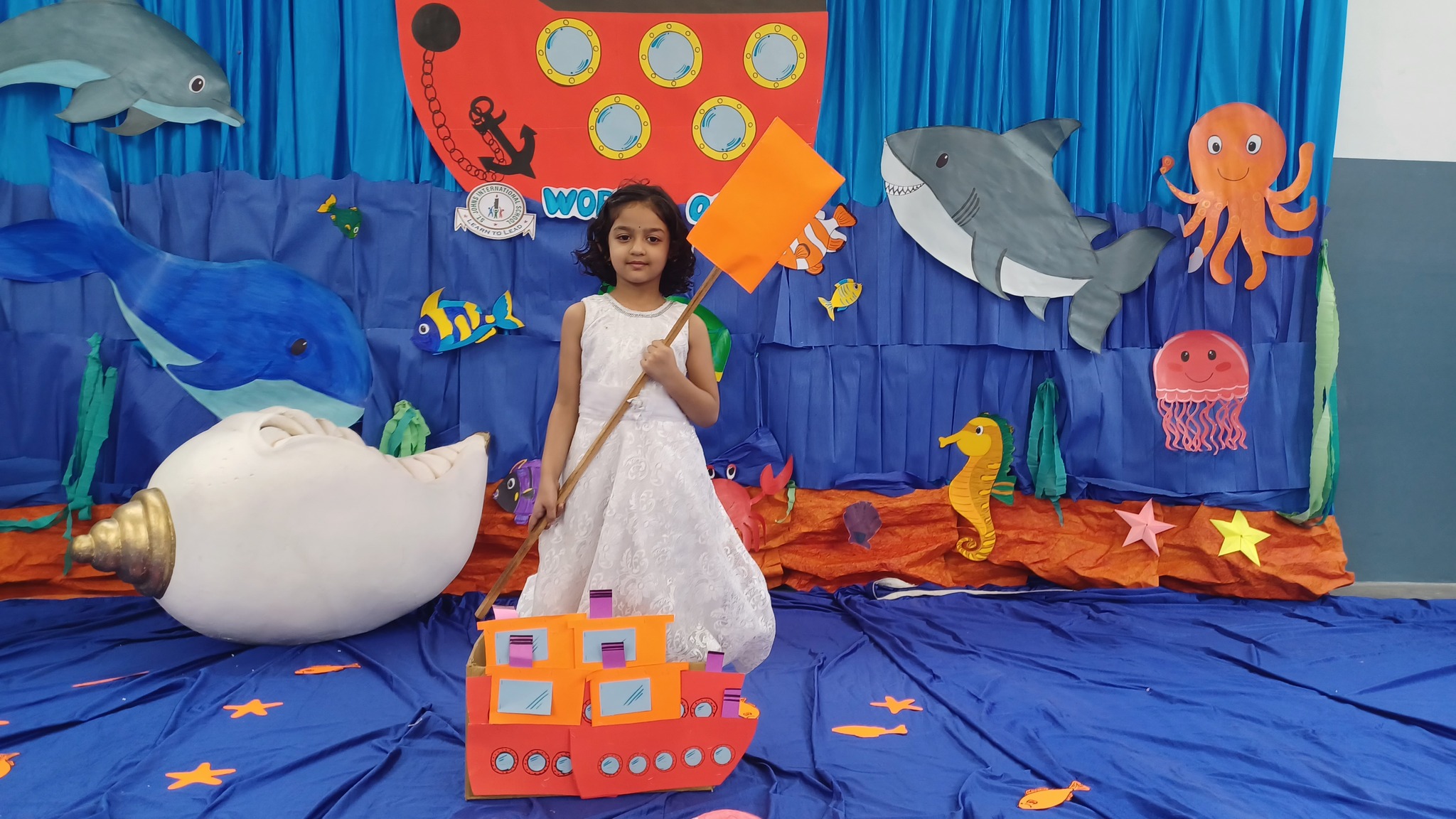
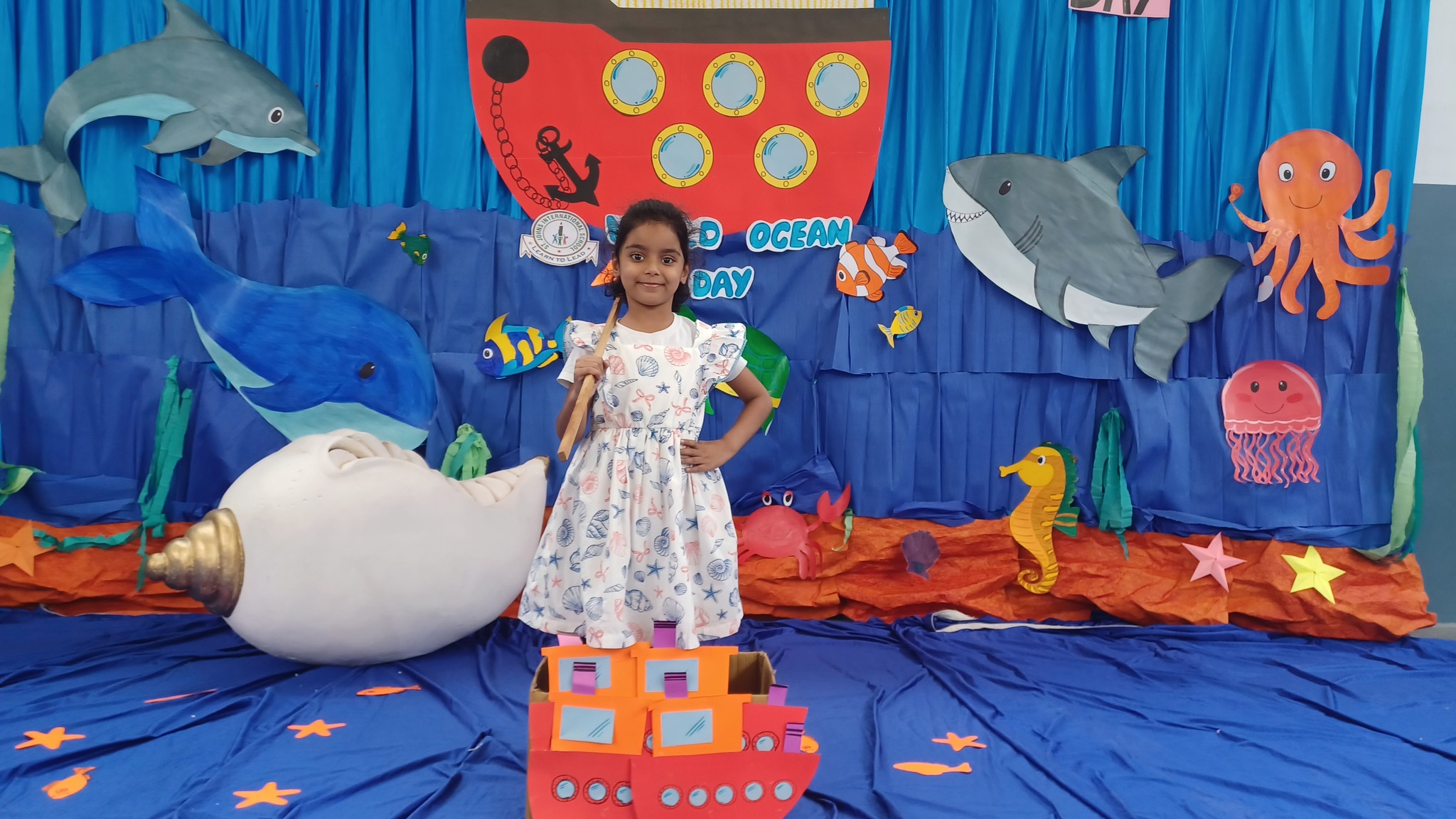
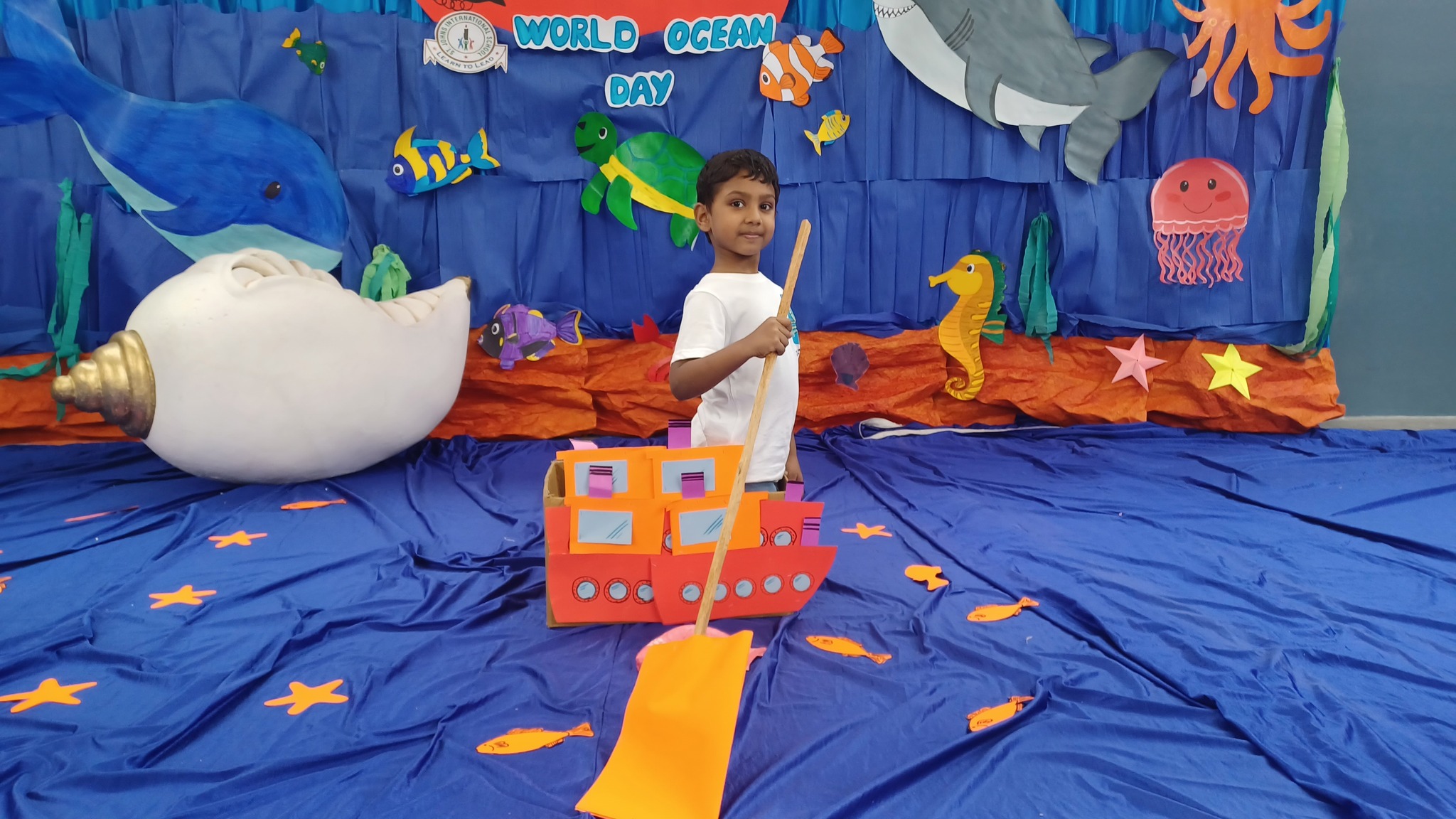
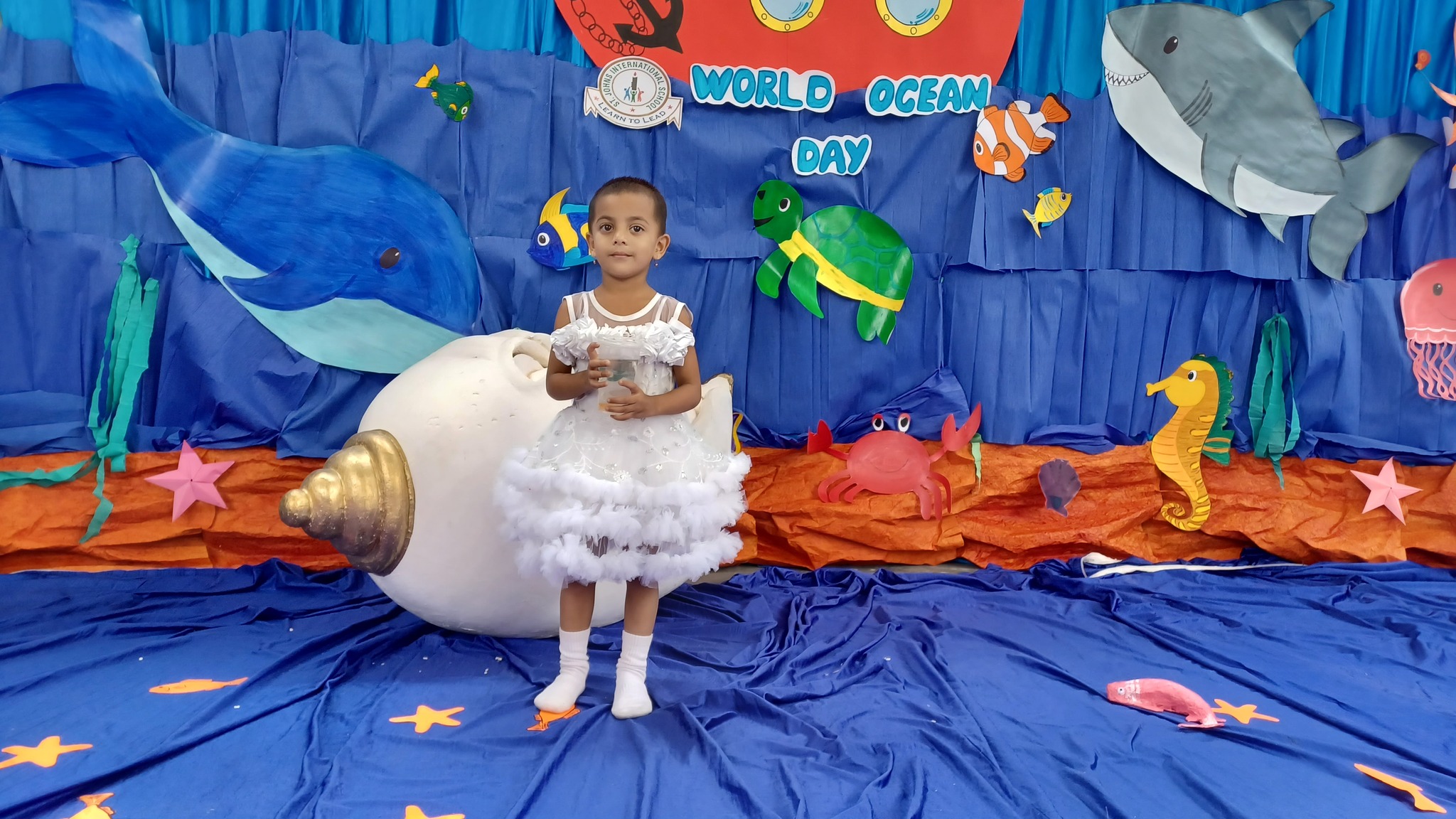
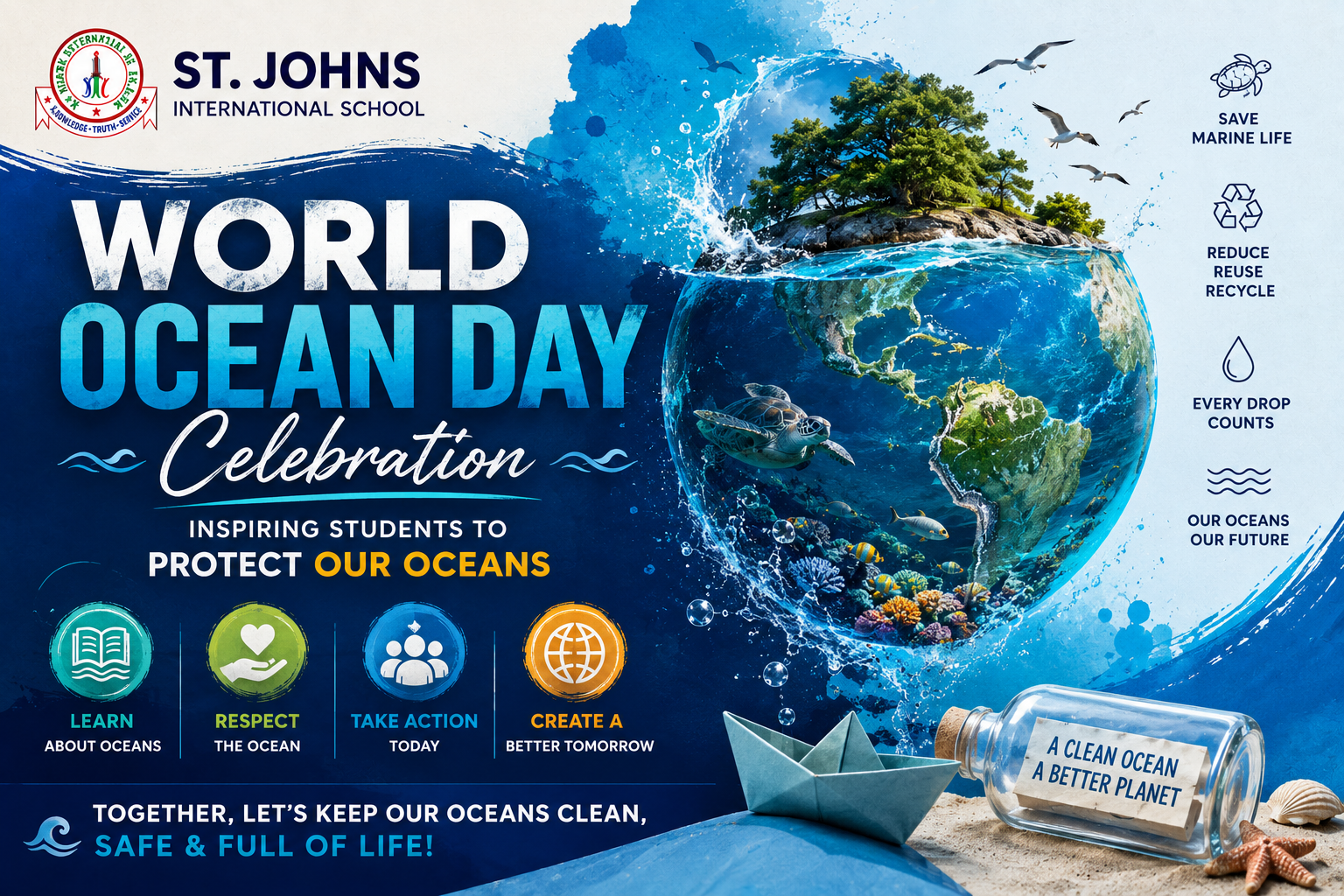
At St. John’s International School, World Ocean Day can be an opportunity for students to learn, participate, and take meaningful steps towards protecting our oceans and the environment.
Understanding the Importance of Our Oceans
Oceans are an essential part of the Earth’s ecosystem. They support a wide variety of marine life, regulate the climate, and contribute to the balance of nature. From colourful coral reefs and sea turtles to whales and tiny marine organisms, oceans are home to an incredible diversity of life.
However, marine ecosystems face several challenges, including plastic pollution, waste disposal, climate change, overfishing, and habitat destruction. Helping children understand these challenges from an early age can inspire them to make environmentally responsible choices in their daily lives.
Learning Through Awareness and Activities
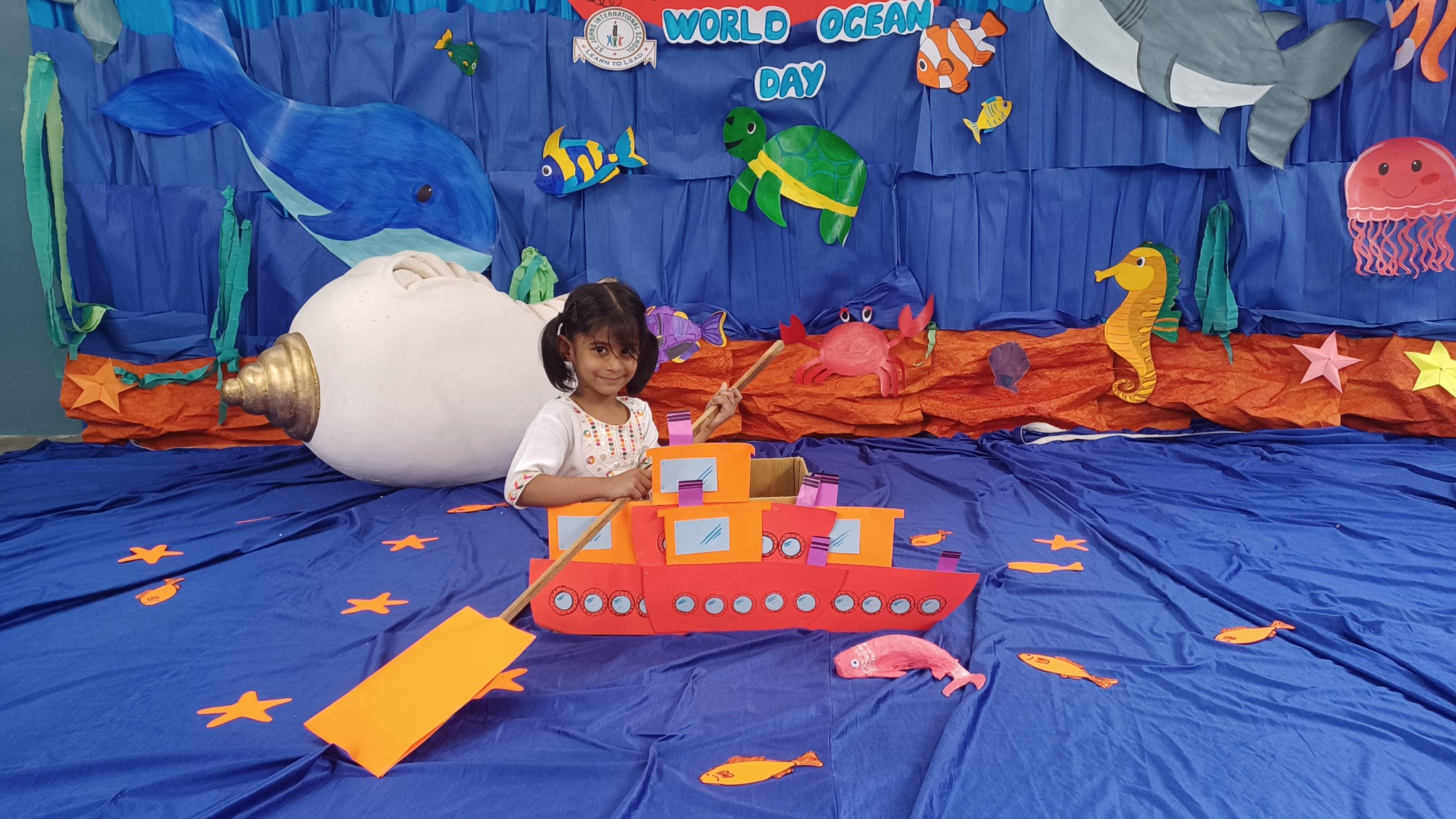
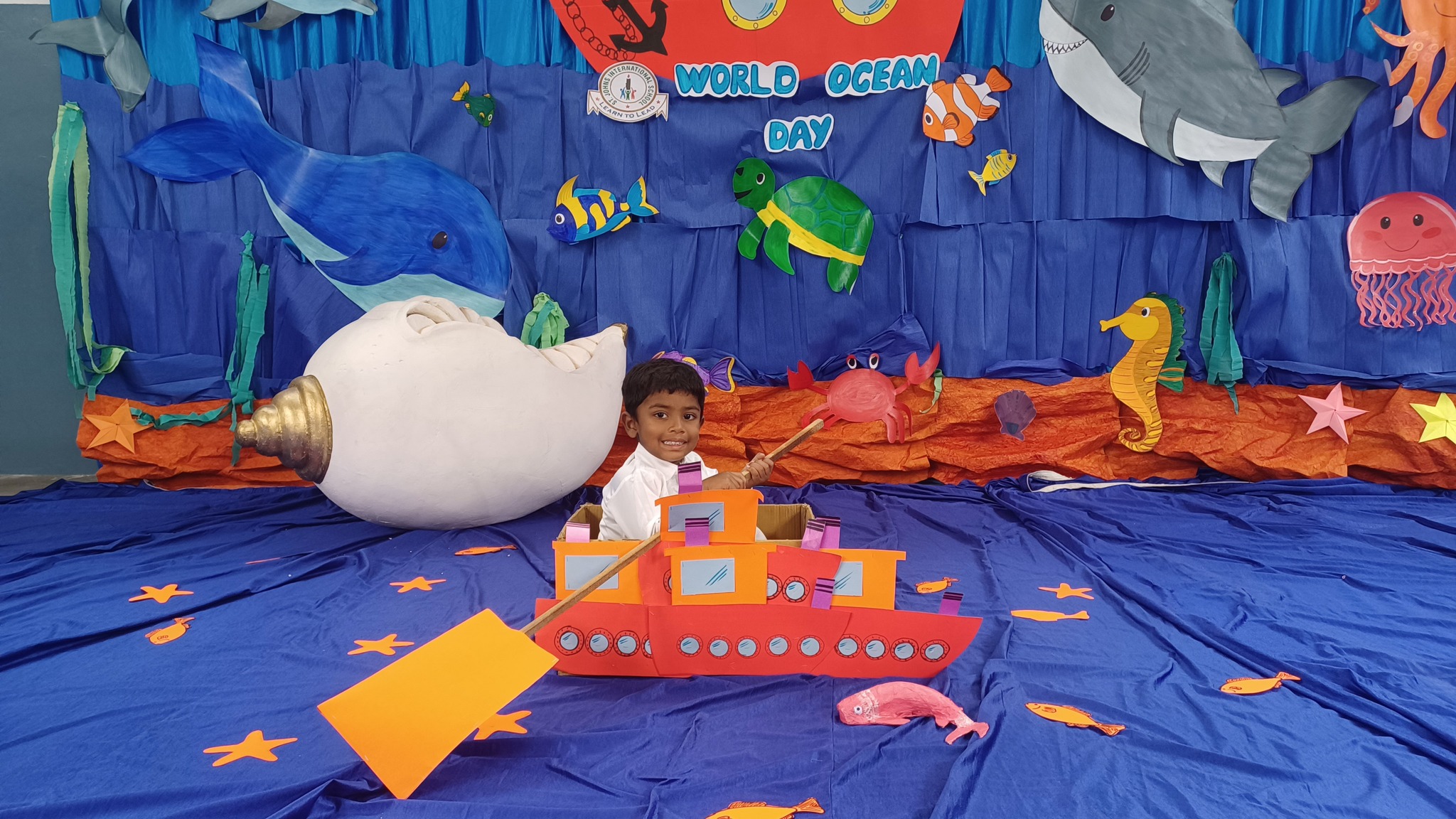
World Ocean Day celebrations can make environmental education engaging and memorable for students. Schools can organise activities such as poster-making competitions, drawing sessions, quizzes, speeches, and awareness campaigns focused on ocean conservation.
Students can also participate in classroom discussions about plastic pollution and learn how everyday choices can affect marine ecosystems. Creative activities allow children to express their ideas while developing a deeper understanding of environmental responsibility.
Educational presentations and videos can further introduce students to marine biodiversity, endangered species, and the importance of keeping oceans clean.
Encouraging Students to Reduce Plastic Waste
One of the most important lessons students can learn from World Ocean Day is the need to reduce plastic consumption. Plastic waste can eventually reach rivers and oceans, posing a serious threat to marine animals and ecosystems.
Students can be encouraged to carry reusable water bottles, avoid unnecessary single-use plastics, use reusable bags, and dispose of waste responsibly. These simple habits, when practised consistently, can contribute to a cleaner and healthier environment.
Building a Sense of Responsibility
Environmental education is not only about learning facts; it is also about developing values. World Ocean Day encourages students to understand that protecting nature is a shared responsibility.
Through school activities and discussions, students can learn the importance of teamwork, compassion, discipline, and sustainable living. They can also realise that even small actions can create positive change when many people work together.
Inspiring Young Ocean Protectors
World Ocean Day provides an opportunity to nurture environmentally conscious young minds. Students who understand the importance of oceans today can become responsible citizens and future leaders who support sustainable practices.
By celebrating World Ocean Day through education, creativity, and meaningful activities, schools can help students develop a lasting connection with nature and a commitment to protecting the planet.
Conclusion
World Ocean Day is more than a celebration—it is a reminder that the health of our oceans is closely connected to the health of our planet. By educating students about marine life, reducing plastic waste, and encouraging sustainable habits, schools can inspire the next generation to become responsible environmental stewards.
At St. John’s International School, such celebrations can help transform awareness into action, empowering students to make choices that contribute to cleaner oceans, a healthier environment, and a sustainable future for generations to come.