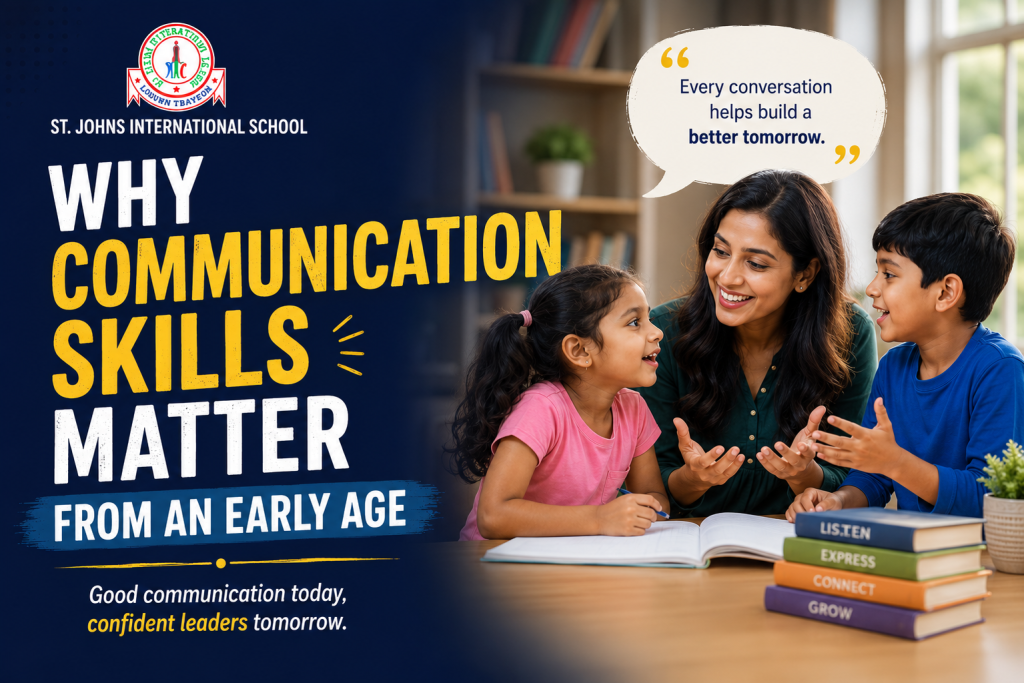
Communication is one of the most important life skills a child can develop. From expressing emotions to asking questions and building friendships, strong communication skills help children navigate everyday situations with confidence. These skills begin to develop in infancy and continue to grow as children interact with family, teachers, and peers.
The earlier children learn to communicate effectively, the better prepared they are for success in school and life. Parents and educators play a key role in creating opportunities for children to express themselves, listen to others, and build meaningful connections.
Builds Confidence and Self-Esteem
Children who can express their thoughts and feelings clearly often feel more confident in social and academic settings. Whether answering a question in class or making new friends, effective communication helps them participate without fear or hesitation.
When parents and teachers listen with patience and encouragement, children gain the confidence to share their ideas and opinions openly.
Strengthens Learning and Academic Growth
Communication is closely connected to learning. Children who ask questions, participate in discussions, and share their understanding are more engaged in the classroom.
Strong language skills also improve reading comprehension, writing ability, and critical thinking. As children become better communicators, they are more likely to understand concepts, solve problems, and collaborate with classmates.
Encourages Healthy Relationships
Good communication is the foundation of positive relationships. It helps children express kindness, resolve disagreements, and understand others’ feelings.
When children learn to listen carefully and speak respectfully, they build stronger friendships and develop empathy. These social skills contribute to a positive classroom environment and healthier relationships at home.
Helps Children Express Emotions
Young children often experience emotions they don’t fully understand. Teaching them to communicate their feelings gives them a healthy way to cope with challenges instead of reacting through frustration or anger.
Simple conversations like asking, “How did that make you feel?” or “Would you like to talk about it?” encourage emotional awareness and build trust between children and adults.
Prepares Children for the Future
Communication is a skill that benefits children throughout their lives. From school presentations and group projects to future careers and leadership roles, the ability to communicate clearly opens many opportunities.
Children who develop strong communication skills early are often better at teamwork, decision-making, and adapting to new situations.
How Parents Can Encourage Communication at Home
Supporting communication doesn’t require special lessons. Everyday interactions provide valuable learning opportunities. Parents can encourage communication by:
- Talking with children during meals and family time.
- Reading books together and discussing the story.
- Encouraging children to ask questions and share opinions.
- Listening without interrupting or judging.
- Limiting screen time to create more opportunities for conversation.
- Appreciating children’s efforts to express themselves, even when they struggle to find the right words.
These simple habits help children become comfortable expressing themselves and build stronger family connections.
The Role of Schools
Schools play an equally important role in developing communication skills. Classroom discussions, storytelling, debates, group activities, presentations, and extracurricular programs all encourage children to speak, listen, and collaborate.
A supportive learning environment gives every child the confidence to participate, share ideas, and develop essential communication skills that extend beyond the classroom.
Conclusion
Communication is much more than speaking—it is about listening, understanding, expressing ideas, and building meaningful relationships. When children develop these skills from an early age, they become more confident learners, compassionate friends, and capable problem-solvers.
By working together, parents and schools can create an environment where children feel comfortable expressing themselves, asking questions, and learning from every interaction. These early communication skills become lifelong strengths that support success in both education and everyday life.