Introduction
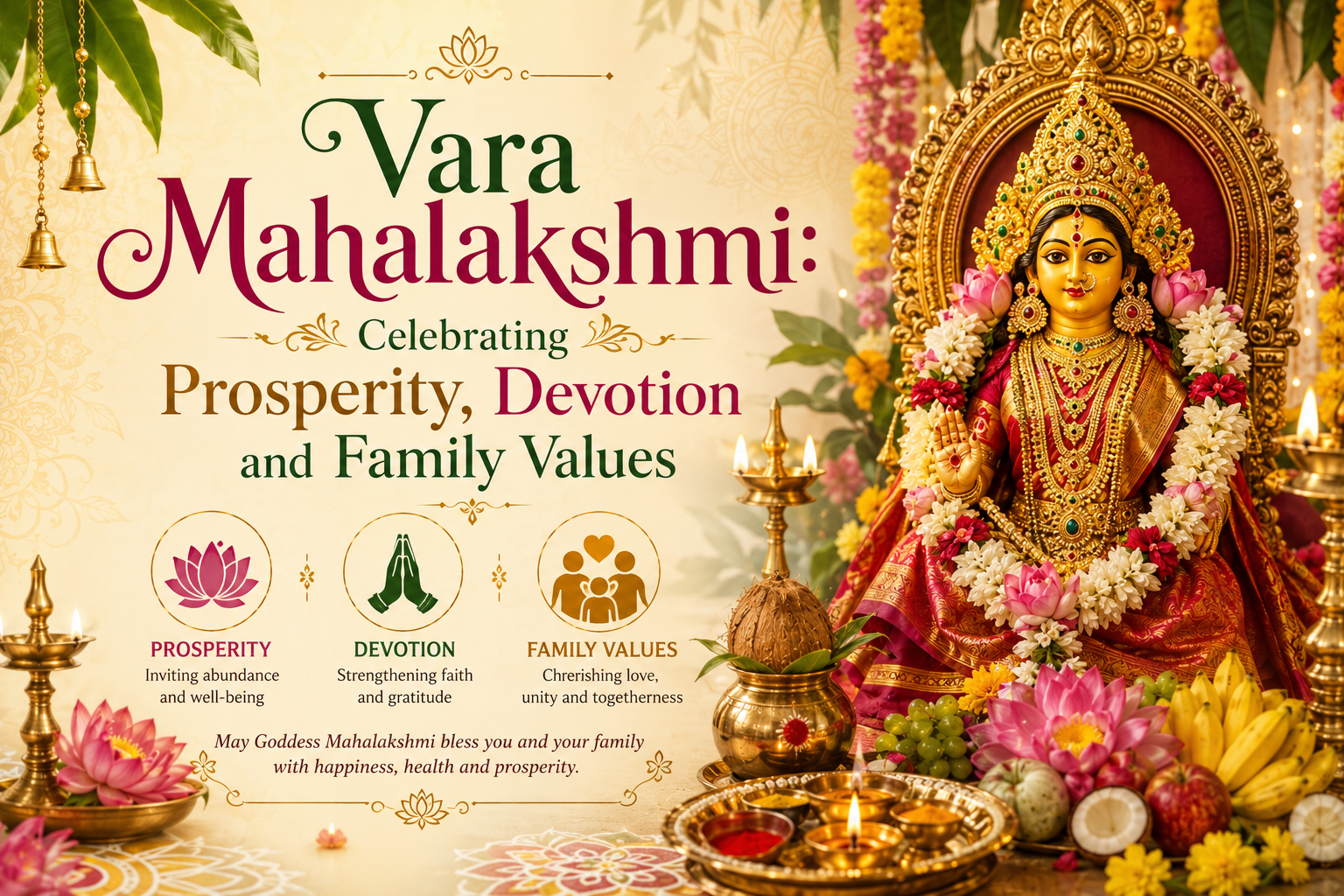
Vara Mahalakshmi Vratam is a cherished Hindu festival dedicated to Goddess Lakshmi, the goddess associated with prosperity, well-being, abundance, and good fortune. Celebrated with devotion by families, particularly in parts of South India, the occasion is a time for prayers, traditional rituals, gratitude, and family togetherness. More than a religious observance, Vara Mahalakshmi encourages people to reflect on the importance of gratitude, generosity, devotion, and harmony within the family.
For children, festivals such as Vara Mahalakshmi provide an opportunity to learn about India’s rich cultural heritage and understand the values behind traditional celebrations. At St. John’s International School, we believe that education involves developing good character alongside academic knowledge. Learning about cultural traditions can help students appreciate diversity, respect family values, and understand the importance of kindness and gratitude.
Understanding Vara Mahalakshmi
Vara Mahalakshmi Vratam is observed on a Friday during the Hindu month of Shravana. The festival is dedicated to Goddess Lakshmi, who is traditionally associated with wealth, prosperity, fortune, and well-being.
On this day, devotees prepare their homes, decorate the entrance with rangoli or traditional designs, arrange a kalasha, and offer prayers to Goddess Lakshmi. Families may prepare traditional food and sweets and participate in rituals according to their customs.
The celebrations provide an opportunity for family members to come together and spend meaningful time with one another.
The Value of Devotion
Devotion is one of the central aspects of Vara Mahalakshmi. Through prayers and rituals, devotees express their faith and gratitude.
For children, devotion can also be understood as developing sincerity, discipline, respect, and a positive attitude. It teaches them to appreciate the beliefs and traditions followed by their families while respecting the different practices of others.
Learning about devotion can encourage children to develop patience and mindfulness in their everyday lives.
Celebrating Prosperity with Gratitude
Prosperity is often associated with wealth and material abundance, but its meaning can extend much further. Good health, loving relationships, education, knowledge, peace, and a supportive family are also valuable forms of prosperity.
Vara Mahalakshmi encourages families to recognise and appreciate these blessings. Children can learn to be grateful for the opportunities they receive, the people who support them, and the simple joys that make everyday life meaningful.
Practising gratitude helps young learners develop a positive outlook and appreciate what they have rather than focusing only on what they want.
Strengthening Family Values
Family plays an important role in Vara Mahalakshmi celebrations. Preparing for the festival, decorating the home, preparing traditional dishes, and participating in prayers are often shared family activities.
These moments provide children with valuable opportunities to learn cooperation, responsibility, respect, and caring. Even simple activities such as helping parents arrange decorations or assisting with preparations can teach children the importance of contributing to family life.
Festivals create memories that children can carry with them as they grow older.
Learning the Importance of Generosity
The spirit of Vara Mahalakshmi is also connected with generosity and sharing. Prosperity becomes more meaningful when it is shared with others.
Children can learn this lesson through simple acts of kindness—sharing food with friends, helping someone who needs support, donating useful items, or offering their time to help others.
Teaching children that happiness can come from giving and helping others encourages them to become more compassionate and socially responsible individuals.
Preserving Cultural Heritage
India is home to many festivals, traditions, and cultural practices. Learning about Vara Mahalakshmi helps children understand the richness of Indian heritage and the importance of preserving traditions across generations.
Schools can encourage cultural awareness through storytelling, art activities, discussions, traditional craft sessions, and celebrations. Such experiences allow students to learn about different customs in an engaging and respectful way.
Understanding different festivals also helps children appreciate the diversity that makes India unique.
Lessons for Young Learners
Vara Mahalakshmi offers several valuable lessons for children. Devotion teaches sincerity and respect. Gratitude encourages appreciation. Family celebrations highlight the importance of togetherness. Generosity reminds children to share their happiness with others.
These values are not limited to festival days. They can become part of everyday life through simple actions such as helping others, respecting elders, being thankful, sharing with friends, and caring for the community.
Conclusion
Vara Mahalakshmi is a beautiful celebration of devotion, prosperity, gratitude, and family values. While traditional prayers and rituals form an important part of the festival, its deeper message lies in appreciating life’s blessings, strengthening family bonds, helping others, and living with kindness and humility.
For children, the festival offers an opportunity to connect with their cultural heritage while learning values that can guide them throughout life. At St. John’s International School, we encourage students to appreciate India’s diverse traditions and understand the meaningful values behind every celebration.
May the blessings of Goddess Mahalakshmi bring prosperity, happiness, peace, good health, and harmony to every family.
St. John’s International School wishes everyone a very Happy Vara Mahalakshmi!