Introduction
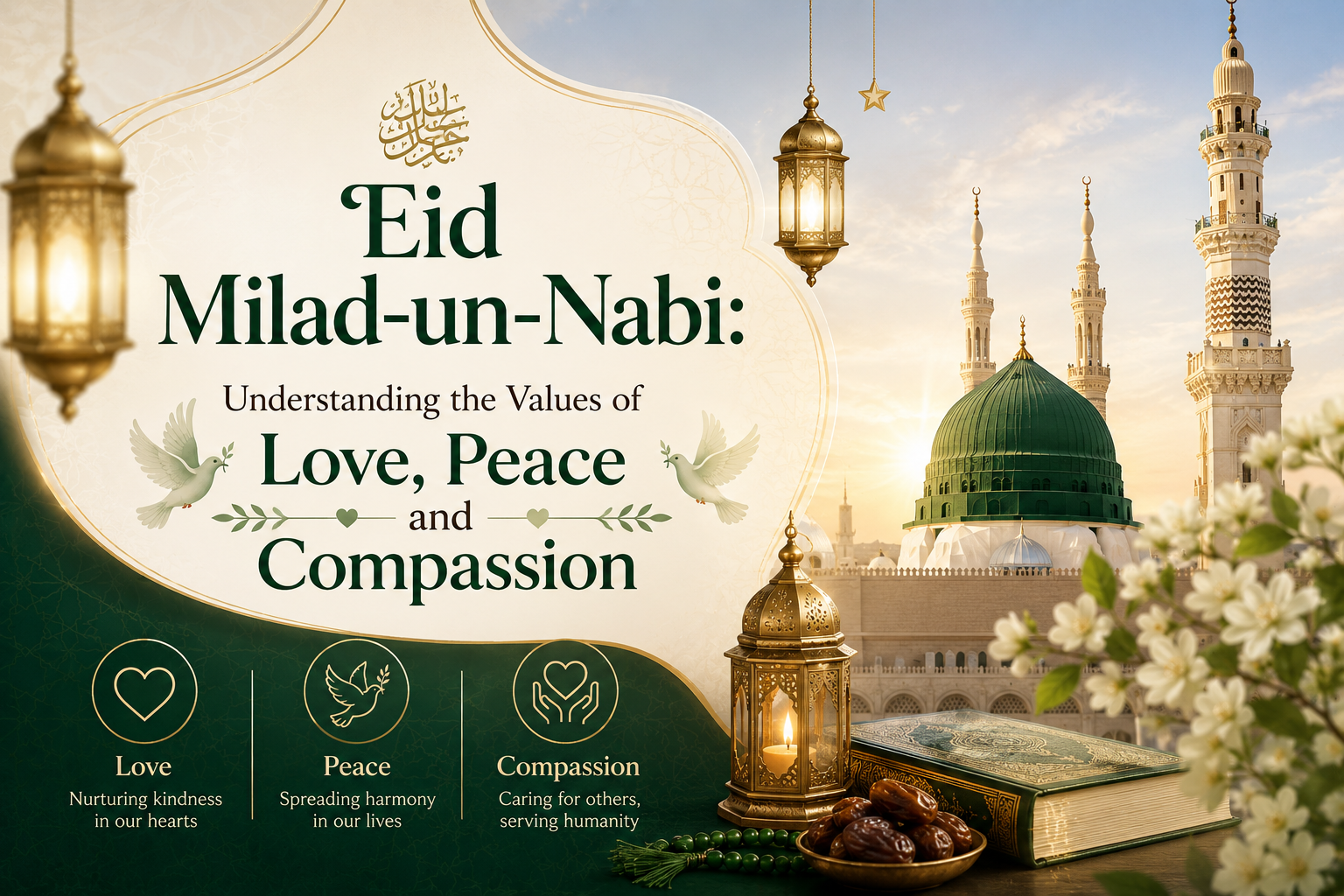
Eid Milad-un-Nabi is a significant occasion observed by many Muslims around the world to remember the birth and life of Prophet Muhammad (PBUH). The occasion is associated with reflection, prayers, gratitude, and remembrance. More importantly, it provides an opportunity to understand and practise values such as love, peace, compassion, kindness, humility, and respect for others.
For children and young learners, occasions like Eid Milad-un-Nabi can offer meaningful lessons about the importance of treating everyone with kindness and dignity. The values associated with the life and teachings of Prophet Muhammad (PBUH) encourage people to care for others, help those in need, speak with kindness, and promote harmony within their communities. At St. John’s International School, we believe that education should nurture not only academic abilities but also empathy, character, and respect for others.
Understanding Eid Milad-un-Nabi
Eid Milad-un-Nabi, also known as Mawlid or Milad al-Nabi, commemorates the birth of Prophet Muhammad (PBUH). Muslims observe the occasion in different ways depending on their traditions and communities.
For many people, the day is marked by prayers, gatherings, recitations, discussions about the Prophet’s life, and acts of charity. Families and communities may also come together to share food and extend kindness to others.
The occasion encourages people to reflect on the qualities that made the Prophet an example of compassion, patience, honesty, and generosity.
The Importance of Love and Kindness
One of the central values associated with Eid Milad-un-Nabi is love. Love is expressed not only through words but also through actions that make a positive difference in the lives of others.
Children can learn that kindness can be shown through simple everyday actions—helping a classmate, sharing with someone, listening patiently, respecting elders, or offering encouragement to a friend. These small gestures can create a positive and welcoming environment at school and at home.
Learning the Value of Compassion
Compassion means understanding the difficulties of others and being willing to help. The occasion reminds us to look beyond ourselves and recognise the needs and feelings of people around us.
For students, compassion can become part of everyday life. Helping someone who is struggling with a lesson, including a classmate in an activity, or offering support to someone who feels upset are simple examples of compassionate behaviour.
When children learn to understand different perspectives, they develop stronger relationships and become more considerate members of society.
Promoting Peace and Harmony
Peace is another important value reflected in the teachings associated with Prophet Muhammad (PBUH). Peace begins with respectful communication, patience, understanding, and the willingness to resolve disagreements without hostility.
Schools are diverse communities where children from different backgrounds learn and grow together. Celebrating and learning about important occasions such as Eid Milad-un-Nabi can help students appreciate different traditions and develop respect for people from different cultures and faiths.
Understanding diversity encourages friendship, cooperation, and harmony among students.
Practising Generosity and Helping Others
Eid Milad-un-Nabi can also remind children about the importance of generosity. Sharing food, helping families in need, supporting charitable activities, and caring for people who may need assistance are meaningful ways of putting compassion into practice.
Children can be encouraged to understand that generosity does not always involve giving material things. Giving time, sharing knowledge, offering encouragement, and helping someone can also be valuable acts of kindness.
Lessons for Young Minds
The values connected with Eid Milad-un-Nabi have relevance far beyond a single day. Children can carry these lessons into their daily lives by being honest, respectful, patient, helpful, and compassionate.
Schools can reinforce these values through storytelling, discussions, creative activities, community initiatives, and cultural programmes. Such experiences help students understand that character and good behaviour are important parts of becoming responsible citizens.
When children learn to respect differences and treat others with dignity, they contribute to a more inclusive and peaceful society.
Conclusion
Eid Milad-un-Nabi is an occasion that encourages reflection on the life, character, and values associated with Prophet Muhammad (PBUH). Its message of love, peace, compassion, kindness, humility, and generosity offers meaningful lessons for people of all ages.
For young learners, these values can become guiding principles in everyday life. A kind word, a helping hand, a respectful conversation, or an act of generosity can make a meaningful difference to someone else.
At St. John’s International School, we believe that education is about developing knowledgeable, responsible, and compassionate individuals. May Eid Milad-un-Nabi inspire everyone to spread kindness, promote peace, respect one another, and contribute positively to the community.
Wishing everyone a peaceful and meaningful Eid Milad-un-Nabi filled with love, harmony, compassion, and goodwill.