Introduction
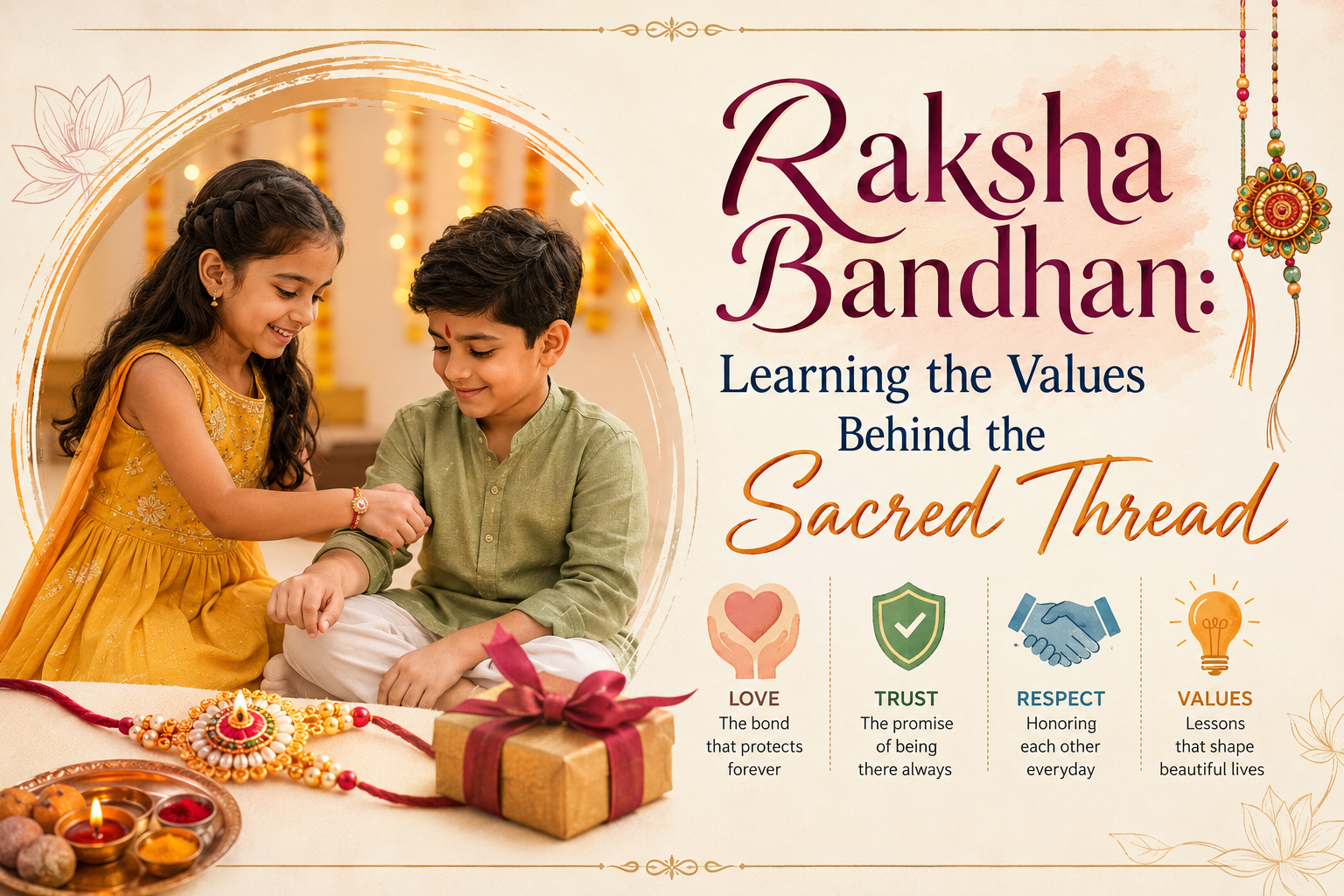
Raksha Bandhan is one of the most meaningful festivals celebrated in India, symbolising the beautiful bond of love, care, trust, and responsibility between siblings. The festival is traditionally celebrated by a sister tying a rakhi around her brother’s wrist, while the brother promises to protect and support her. However, the meaning of Raksha Bandhan goes far beyond this simple ritual. The sacred thread represents affection, respect, togetherness, and a lifelong commitment to stand by one another.
For children, Raksha Bandhan is also an opportunity to understand important values that help build strong relationships. At St. John’s International School, we believe that education extends beyond academic learning. Festivals like Raksha Bandhan help students discover the importance of family, kindness, compassion, respect, and responsibility in everyday life.
Understanding the Significance of Raksha Bandhan
The word “Raksha Bandhan” refers to a bond of protection. Traditionally, the festival celebrates the relationship between brothers and sisters, but its message has a much broader meaning. It reminds us to care for the people we love and to be there for them during both happy and challenging times.
The rakhi itself is a symbol of this special relationship. Although it is a simple thread, it carries emotions, memories, blessings, and promises. For children, the festival provides a wonderful way to appreciate their siblings and recognise the special role they play in their lives.
The Value of Love and Affection
One of the most important lessons of Raksha Bandhan is the value of unconditional love. Siblings often grow up sharing countless experiences—from playing together and celebrating festivals to helping each other and creating childhood memories.
Raksha Bandhan encourages children to express their affection openly. A rakhi, a heartfelt message, or simply spending quality time together can strengthen the relationship between siblings. These small gestures teach children that expressing love and appreciation is an important part of maintaining meaningful relationships.
Learning Respect and Understanding
Every individual is different, and siblings may not always agree with each other. Raksha Bandhan provides an opportunity to understand the importance of respecting these differences.
Children can learn that a healthy relationship is built on listening, understanding, patience, and mutual respect. Supporting a sibling does not always mean agreeing with everything they say or do. It means respecting their feelings, encouraging their dreams, and being present when they need support.
Sharing, Caring and Helping Others
Raksha Bandhan also teaches children the importance of sharing and caring. From sharing sweets and gifts to helping each other with everyday activities, simple actions can communicate affection and concern.
These values can extend beyond the family. Children can practise kindness and helpfulness with their classmates, teachers, friends, and members of the community. In this way, the spirit of Raksha Bandhan becomes a reminder to create a more caring and supportive environment for everyone.
Preserving Cultural Values
Indian festivals provide children with an opportunity to learn about the country’s rich cultural traditions. Celebrating Raksha Bandhan allows students to understand the customs and stories associated with the festival while appreciating the importance of family relationships.
Activities such as making handmade rakhis, participating in storytelling sessions, drawing, writing wishes for siblings, and taking part in cultural celebrations can make learning enjoyable and memorable. Such experiences help children connect with their cultural heritage while developing creativity and social awareness.
Building Stronger Relationships
In today’s busy world, spending meaningful time with family is increasingly important. Raksha Bandhan encourages families to come together and celebrate their relationships.
Children can make the occasion special by creating handmade cards, preparing a small surprise for their siblings, sharing memories, or simply spending time together. These experiences remind them that meaningful relationships are built through time, attention, understanding, and care—not just through material gifts.
Conclusion
Raksha Bandhan is much more than a festival of tying a sacred thread. It is a celebration of love, respect, trust, care, and togetherness. The rakhi serves as a beautiful reminder that strong relationships are built through understanding one another, supporting each other, and sharing life’s joys and challenges.
For children, the festival offers valuable lessons that can remain with them throughout their lives. By learning to appreciate their siblings, respect differences, share with others, and show kindness, they develop qualities that contribute to becoming responsible and compassionate individuals.
May this Raksha Bandhan inspire every child to value their relationships and spread the spirit of love, care, and kindness. St. John’s International School wishes everyone a very Happy Raksha Bandhan filled with joy, togetherness, and beautiful memories.